
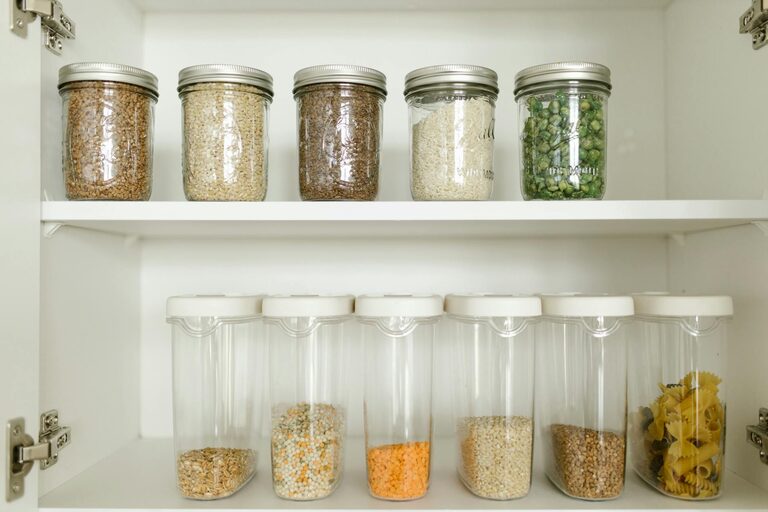
Keeping your fridge and pantry tidy is key to maintaining an organized kitchen, saving money, and reducing food waste. A well-arranged storage space not only makes it easier to find ingredients but also helps keep food fresh longer. Whether you’re tackling a cluttered fridge or an overflowing pantry, these simple strategies will help you create an orderly kitchen environment with minimal effort.
Why Keeping Your Fridge and Pantry Tidy Matters
A clean and organized fridge and pantry can:
– Make meal planning and cooking more efficient
– Help you use up food before it spoils
– Reduce the time spent searching for ingredients
– Prevent cross-contamination and keep food safe
– Create more space for groceries
How to Organize Your Fridge
1. Clear and Clean First
Start by emptying your fridge completely. Discard expired or spoiled items, and wipe down all shelves, drawers, and door compartments using a mild cleaner or a mix of water and vinegar. This fresh start helps you see exactly what you have and creates a clean surface for organizing.
2. Group Similar Items
Organize items by type to make them easy to find. Common categories include:
– Dairy products (milk, cheese, yogurt)
– Fresh produce
– Condiments and sauces
– Meats and seafood
– Leftovers
Use clear bins or containers for grouping smaller items like jars or packets. Label the bins to maintain order over time.
3. Understand Optimal Storage Zones
Different parts of the fridge maintain different temperatures. Keep this in mind when placing items:
– Top Shelves: Best for ready-to-eat foods like leftovers and drinks.
– Middle Shelves: Store milk, cheese, and yogurt here.
– Bottom Shelves: Coldest part, ideal for raw meat or seafood (place them on a tray or container to catch drips).
– Fridge Door: Warmer than shelves; good for condiments, juice, and eggs.
4. Use Clear Containers and Labels
Clear containers help you see contents quickly, preventing forgotten food. Label containers with the content and date to keep track of freshness.
5. Avoid Overloading
Don’t pack your fridge too tightly; air needs to circulate to keep food properly chilled. Rearrange items after grocery shopping to maintain this airflow.
How to Organize Your Pantry
1. Clean It Out
Remove everything from your pantry. Check expiration dates and toss out stale or unused items. Wipe down shelves before returning food.
2. Categorize Pantry Items
Group foods into categories such as:
– Baking supplies (flour, sugar, baking powder)
– Canned goods
– Grains and pasta
– Snacks
– Spices and herbs
– Breakfast items
3. Use Clear, Airtight Containers
Transfer grains, cereals, and snacks into airtight containers to prolong freshness and prevent pests. Transparent containers allow you to see when supplies are low.
4. Label Everything
Clear labeling helps everyone know where things belong. Use a label maker, print labels, or write on masking tape with a marker.
5. Store by Frequency of Use
Place frequently used items at eye level or close to the kitchen entrance for easy grabbing. Less common items can go on higher or lower shelves.
6. Utilize Vertical Space
Use stackable bins or shelf risers to maximize pantry space, and consider door racks for storing small items like spice jars.
7. Keep a Running Inventory
Keep a simple list on your pantry door or a smartphone app to note what you have and what you need. This will help reduce overbuying and food waste.
Maintaining Your Organized Fridge and Pantry
Weekly Quick Checks
Spend a few minutes each week to:
– Remove expired food
– Wipe down shelves or bins
– Reorganize any out-of-place items
Plan Ahead
Before grocery shopping, review your fridge and pantry inventory to buy only what you need.
Use the “First In, First Out” Rule
Arrange items so that older products are toward the front and new groceries go in the back. This encourages using up older items before they expire.
Bonus Tips for Fridge and Pantry Success
– Use drawer organizers to keep small items accessible.
– Keep a small trash bin or compost container nearby to easily dispose of waste during meal prep.
– Store herbs and leafy vegetables in damp paper towels and sealed containers to extend freshness.
– Freeze excess produce or leftovers before they go bad.
—
With these easy steps, you can transform your fridge and pantry into neat, efficient spaces that simplify your cooking routine. A little time spent organizing now saves headaches—and food waste—down the line! Happy organizing!
